Start Your Corona Concrete Plan
Planning a new driveway or patio? Request a callback to check provider availability, or request an estimate and a local provider will follow up.
No obligationNew concrete driveways for San Bernardino homeowners
Request an estimate today
A new driveway or patio is a big step, and most people only do it once. If you live in Corona, this guide walks through the homes, weather, and price factors that shape a concrete job in the region. It also lists smart questions to ask. Linkwages Concrete is a referral service. We connect you with independent local providers, who do the work and give you a quote in writing.
Across the region, many houses are stucco ranch homes on slabs or raised foundations. Others are older bungalows, and a lot are tract homes built between the 1950s and 1980s. Myth: any mix at any thickness works for any house. In practice, the age of the home and the soil beneath it shape the plan.
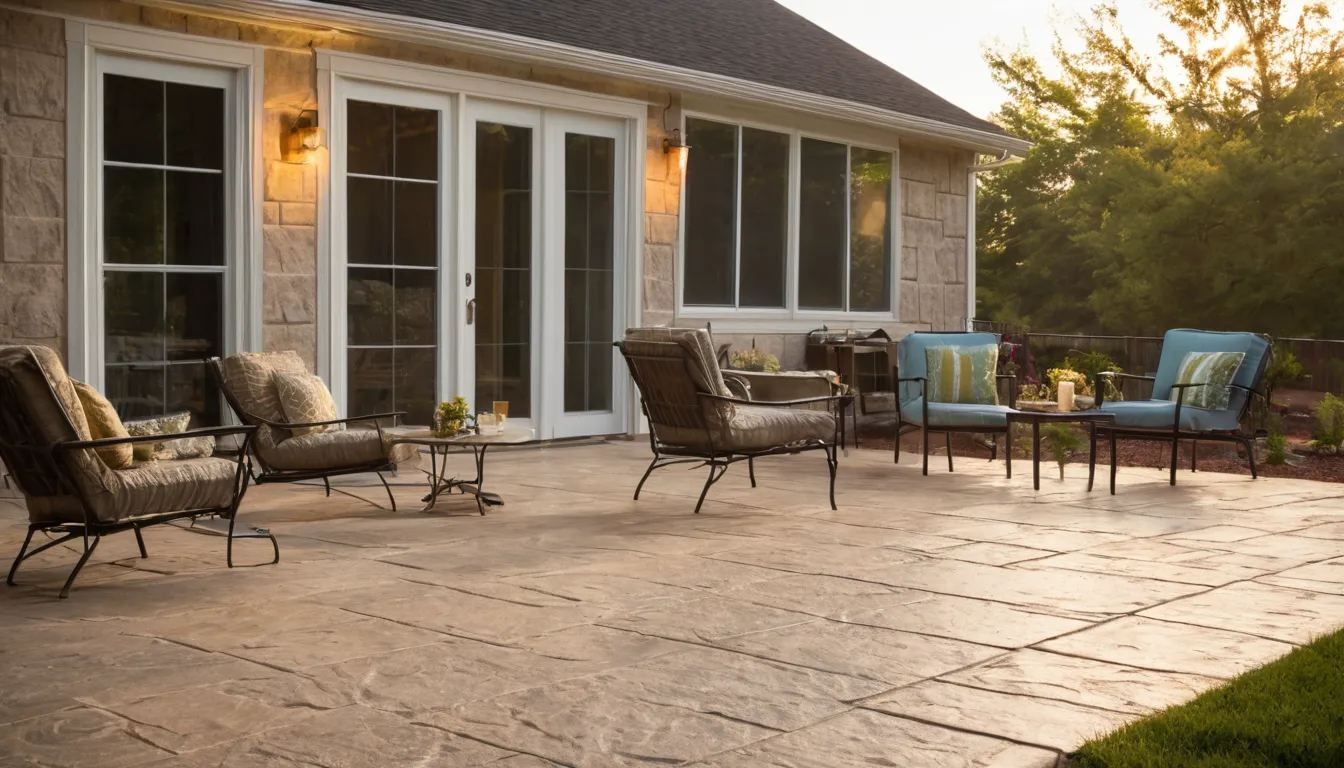
Older driveways often sit on a thin base with few joints. Patios beside slab homes need a gentle slope away from the walls. Stamped concrete patios are popular because they add pattern and color, though they need sealer every few years.
Here is the pour day clock in plain words. During the first hour or so, the crew places the mix, levels it, and smooths it. Timing matters because concrete begins to stiffen fast.
What should you do? Stay out of the way, and keep kids and pets off the forms. Do not ask anyone to add water to make it easier to spread, since extra water weakens the slab. Let the provider decide when to texture, stamp, or cut joints. After that, the slab cures slowly over days, then weeks.
Long dry seasons sound harmless. They are not. Hot, dry wind pulls water out of the surface too fast and can cause cracks. Providers often use curing covers, misting, or sealers to slow that down.
Winter rain events bring a different problem. Rain on a fresh surface can leave it pitted or soft. Ask how the provider handles a surprise forecast and whether the schedule can shift.
Wildfire smoke seasons leave ash in the air. Wait until the slab has set before you wash anything off it. Near the coast, mild temperatures and cool damp mornings can slow curing, so patience helps.
Myth: every crack means failure. Reality: thin cracks are common, and joints are cut so concrete can crack in a straight line. Worry more about these signs:
Concrete driveway repair may work for small flaws. A badly sunk slab is often removed and replaced. If cracks also appear along walls inside the home, mention it, because foundation repair experts handle that work and a provider may suggest you ask them.
Good questions make good projects. Try these:
Request a callback and Linkwages Concrete can pass your Corona project to a provider in our network.
Prices vary by job, so treat these as rough U.S. ranges. Plain concrete flatwork often runs about $6 to $12 per square foot. Stamped or colored work commonly runs about $12 to $20 or more per square foot. Removing an old slab usually adds to the total.
Several things move the number:
Always get a quote in writing, and compare what each one includes, not only the bottom line.
Stucco ranches, bungalows, and tract homes each have different slab and drainage needs. We explain these in general terms so you ask better questions.
Dry spells, winter rain, and smoke seasons can affect curing. Learn what to ask so your pour day fits the forecast.
Linkwages Concrete does not do the work or set rates. Independent providers in the San Bernardino area give you a written quote after hearing the details.
From first question to cured slab, you get a clear path. There is no pressure, and you decide whether to move forward.
Planning a new driveway or patio? Request a callback to check provider availability, or request an estimate and a local provider will follow up.
No obligationPlanning a new driveway or patio? Request a callback to check provider availability, or request an estimate and a local provider will follow up.
No obligation