Need stamped concrete help in San Bernardino?
Planning a new driveway or patio? Request a callback to check provider availability, or request an estimate and a local provider will follow up.
No obligationNew concrete driveways for San Bernardino homeowners
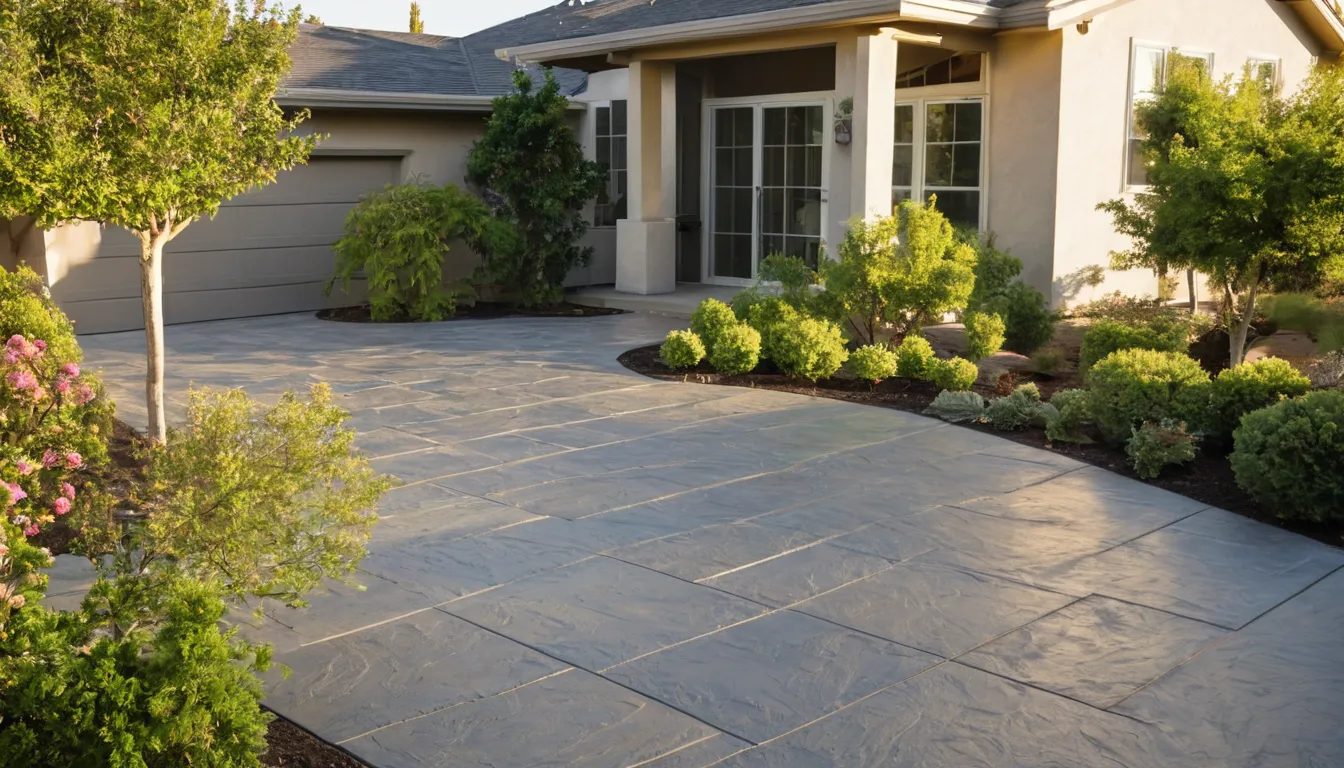
Many first-time buyers think stamped concrete is a pattern you add after the slab is done. In practice, the pattern is pressed into the surface while the concrete is still soft, so every choice has to be made before pour day. Color, texture, sealer and layout all come first.
Linkwages Concrete is a referral service. We do not pour or stamp anything. We connect homeowners in San Bernardino, CA and the San Bernardino area with independent local providers who do the work and set their own prices. This page explains the process in plain words, clears up a few common myths, and shows what to ask before you agree to a job. Then you can talk to a provider with confidence.
A lot of people think stamping is a finish you choose after the slab is poured. In practice, the pattern is pressed in while the concrete is still soft. That means your choices come first, and the pour day clock decides the rest.
Request a callback to check provider availability in the San Bernardino area before you lock in a date.
Here is what usually happens once the truck arrives.
The concrete is placed, spread and leveled. Color is either mixed into the batch or dusted on top. A provider then adds a release powder, so the stamps do not stick to the surface.
Myth: you can stamp whenever you are ready. Reality: the surface must be firm enough to hold a print and soft enough to take one. Hot, dry afternoons shorten that window. Cooler coastal mornings can stretch it. A provider tests it by touch.
Control joints are cut so the slab cracks along planned lines, not random ones. Keep people and pets off the surface until the provider says it is safe.
The release powder is washed off, and the sealer goes on once the slab is dry enough. A winter rain event can push this back. During smoke season, ash can settle on a fresh surface, so providers often watch the sky too.
Concrete keeps getting stronger for about a month. Many providers suggest light use first and heavy loads later. Ask yours for a simple schedule.
A flat, one-color stamp can look plain. Layered color, a few accent tones and a pattern that fits the house look much more natural. Ask to see finished work, not just a sample tile.
Stamped slabs are real concrete. Strength depends on the base, the thickness and the mix, not the pattern. A provider should explain those three things before they quote.
Sealer wears down over time. Most surfaces need a fresh coat every few years, and sun and foot traffic speed that up.
Slate, flagstone, brick and wood plank patterns are common picks. Warm tans and soft grays blend well with stucco walls. Pick a color in daylight, because small samples can look very different on a full slab.
It suits stamped concrete patios, walkways, pool decks and entry steps. On a ranch home on a slab, a patio can feel like part of the house. On an older bungalow, a quieter pattern often looks right. Plain concrete flatwork is still fine for utility areas.
Pavers are set one by one, so a single stone can be lifted and replaced. Stamped concrete is one solid piece, which means fewer joints for weeds. Cracks, though, are harder to hide. Neither is always the right pick. Your budget, soil and style decide it.
Planning, ordering and prep often take longer than the pour. Many jobs run about a week from forming to sealing, then a few weeks of light use. Weather can shift the dates, and providers set their own schedules.
Sweep often and rinse with a hose. Use a mild cleaner, not harsh chemicals. Keep sprinklers from soaking the same spot daily. Plan to reseal every two to three years, or as your provider advises.
Ask to see photos of past patios that are a few years old. Ask who handles the base, the joints and the sealer. Get a quote in writing that lists the pattern, the color, the square footage and the sealer type. Compare two or three before you decide.
This page covers new work. Fixing a cracked old slab is concrete driveway repair, which is a separate project. If water pools near your walls or the house seems to be settling, foundation repair experts may need to look first. Then the new patio goes on solid ground.
Help choosing a stamp pattern and color that suits your house, your yard and your budget.
A plain walkthrough of base prep, joints and timing, so pour day holds no surprises.
Clear guidance on when sealer goes on, when you can walk on it, and when to wait.
A match with independent local providers who do the stamping and give you a written quote.
Prices vary by region, site access, pattern and size. These are typical U.S. ranges only, not quotes. Ask each provider for a written quote that shows exactly what is included.
| Item | Typical range | Notes |
|---|---|---|
| Stamped patio, per sq ft | $12 – $25 | Depends on pattern, color layers and prep |
| Plain broom-finish slab, per sq ft | $6 – $12 | Useful as a comparison price |
| Integral color add-on, per sq ft | $1 – $3 | Mixed into the concrete before the pour |
| Sealer coat, per sq ft | $1 – $3 | Resealing is needed every few years |
| Small stamped patio, about 400 sq ft | $4,800 – $10,000 | Total varies with site and design |
| Border or accent band | $500 – $2,000 | Adds a contrasting edge or inlay |
Tell us the size, the spot and the look you want, using the request form or a quick call.
We introduce you to an independent provider in the San Bernardino area who handles stamped work.
Review pattern, color, sealer and schedule details line by line before choosing anyone.
The provider you hire pours, stamps and seals the slab and sets the timeline.
Learn the steps and the myths before you talk price, so questions come easily.
Independent pros who know regional soil, weather and common home styles.
Ask each provider to put scope and materials in writing before work begins.
Ask questions and compare options without any pressure to commit to a job.
Planning a new driveway or patio? Request a callback to check provider availability, or request an estimate and a local provider will follow up.
No obligationNot in the usual way. The pattern is pressed into fresh concrete. Some providers offer stamped overlays on older slabs, but those are thin surface layers and need a sound slab underneath.
Providers often say light foot traffic is fine after a day or two, but it depends on the mix and weather. Furniture and heavy loads usually wait longer. Follow your provider's written instructions, because they know the exact mix used.
It is the same material, so it can crack the same way. Good base prep and well-placed control joints help guide where cracks form. Ask the provider how they plan the joints.
Planning a new driveway or patio? Request a callback to check provider availability, or request an estimate and a local provider will follow up.
No obligation